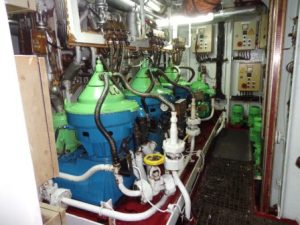
The primary purpose of a purifier on a ship is to remove contaminants and impurities from fluids, primarily fuel and lubricating oil, to ensure the efficient and reliable operation of the ship’s engines and machinery. By removing water, solid particles, and other contaminants, purifiers help prevent engine wear and damage, reduce maintenance costs, and extend the lifespan of critical components. Here are 2 Main things all marine engineer most know about purifier.
1. Types of Purifiers:
Lubricating oil purifiers: Designed to remove contaminants from lubricating oil.
Fuel oil purifiers: Specifically designed to remove water and solid contaminants from fuel oil.
learn more on Purifier Five Main Common Faults
Clarifiers: While purifiers separate both liquids and solids, clarifiers primarily focus on separating solid contaminants from a liquid.
Settling tank: by transferring fuel oil or lube oil into the tank, allow to settle down, then drain water and sludge from the bottom side of the tank
Here’s a more detailed explanation of fuel and lube oil purifier :
1. Fuel Purification:
Ships rely on fuel oil (often heavy fuel oil or diesel) for propulsion and power generation.
This fuel can contain impurities like water, rust, and other solid particles that can damage fuel injectors, pumps, and other engine parts.
Fuel purifiers, also known as centrifuges or separators, use centrifugal force to separate these contaminants from the fuel, ensuring clean fuel reaches the engine.
2. Lubricating Oil Purification:
Lubricating oil is essential for reducing friction and wear in the engine and other machinery.
Over time, lubricating oil can become contaminated with wear particles, water, and other debris.
Purifiers remove these contaminants from the lubricating oil, maintaining its effectiveness and preventing damage to engine components.
2. How Purifiers Work:
Purifiers utilize centrifugal force to separate contaminants based on their density.
Heavier contaminants (like water and solid particles) are forced to the outer edges of the rotating bowl, while the lighter, purified liquid remains near the center.
Read more on; Ship Oil Purifier not reaching normal RPM Reasons
The purified liquid is then discharged for use, while the contaminants are collected and disposed of.
Benefits of Using Purifiers:
Reduced engine wear and damage:
Clean fuel and lubricating oil minimize wear and tear on engine components.
Increased engine efficiency:
Clean fuel ensures optimal combustion, leading to improved fuel consumption and engine performance.
Reduced maintenance costs:
By preventing breakdowns and extending the lifespan of components, purifiers reduce the need for frequent and costly repairs.
Improved reliability and safety:
Clean fluids contribute to the overall reliability and safety of the ship’s operation.
Found this post useful? let us know your contribution or question on the comment section. Also, Subscribe to our newsletters for more updates and follow us on social media